
The morning felt rushed in that familiar way—school bags half-packed, my coffee cooling on the counter, and a quick glance at the clock that made everything move faster. On my way out, I bumped into Mrs. Hanh, our elderly neighbor, who was carefully carrying a small basket of eggs from the local market. She smiled and said she never buys too many at once because she likes them fresh, “just the way they should be.”
That stayed with me through the day. Later that evening, after wrapping up work, I stood in my kitchen holding a carton of eggs and realized something simple—I had been cooking them the same way for years, but never with much thought. Sometimes they peeled easily, sometimes not. Some had that perfect center, others went too far.
So I decided to slow it down and get it right. I tested a few batches over the week, adjusting timing, trying the ice bath trick more carefully, and even paying attention to how old the eggs were. My kids didn’t mind being the taste testers. In fact, they started asking for them in their lunch boxes.
By the weekend, I had a method that felt steady and reliable. Not fancy, not complicated—just something that works, every single time. And honestly, that’s the kind of cooking I appreciate most after a long day.
Learning how to boil eggs perfectly may seem simple, but getting consistent results takes the right method and timing.
Short Description
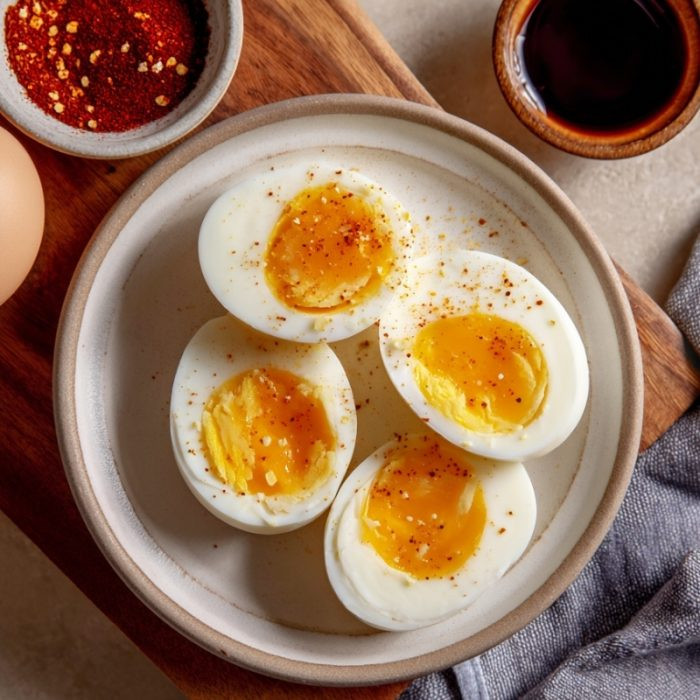
This guide shows how to boil eggs perfectly with consistent results—whether you prefer soft, jammy, or hard-boiled eggs. Simple steps, clear timing, and a few practical tricks make peeling easy and texture just right.
Key Ingredients for Perfect Boiled Eggs
-
- 6 large eggs (slightly older eggs peel more easily)
- Cold water (enough to cover eggs by 1–2 inches)
- Ice cubes or ice water (for cooling)
- 1 teaspoon salt or vinegar (optional)
Tools Needed to Boil Eggs
-
- Medium or large saucepan
- Slotted spoon
- Bowl (for ice bath)
- Timer
- Stove
How To Boil Eggs Perfectly (Step-by-Step Instructions)
To boil eggs perfectly, place them in cold water, bring to a boil, then turn off the heat and let them sit covered for 7–12 minutes depending on doneness. Finish with an ice bath for easy peeling.
Step 1: Arrange the Eggs
Place the eggs in a single layer at the bottom of a saucepan. Make sure they’re not stacked or crowded, as this helps them cook evenly and prevents cracking during boiling.
Step 2: Add Cold Water
Pour in enough cold water to cover the eggs by about 1–2 inches. Add 1 teaspoon of salt or vinegar if desired. This can slightly improve peeling and reduce leakage if a shell cracks. This step helps ensure your boiled eggs cook evenly.
Step 3: Bring to a Boil
Set the pot over medium-high to high heat and bring the water to a full rolling boil. Watch closely—once the boil starts, don’t walk away, as timing matters from this point.
Step 4: Turn Off Heat and Cover
As soon as the water reaches a rolling boil, turn off the heat immediately and cover the pot with a tight-fitting lid. Letting the eggs sit in hot water rather than continuing to boil prevents overcooking and rubbery whites.
Step 5: Set the Timer
Let the eggs sit in the hot water based on your preferred doneness:
-
-
4–6 minutes for soft-boiled (runny yolk)
-
7–9 minutes for medium (jammy center)
-
10–12 minutes for hard-boiled (fully set)
If unsure, start with 10 minutes for a reliable hard-boiled texture.
-
Step 6: Prepare an Ice Bath
While the eggs sit, fill a bowl with cold water and plenty of ice cubes. This step is key—it stops the cooking process instantly and helps prevent that gray ring around the yolk.
Step 7: Shock the Eggs
Use a slotted spoon to transfer the eggs directly into the ice bath once the timer ends. Let them sit for at least 5 minutes. If you have time, leave them longer—it improves peeling.
Step 8: Peel and Serve
Gently tap each egg on the counter and roll it to crack the shell evenly. Peel under running water for smoother results. If the shell sticks, start from the wider end where the air pocket sits.
Boiling Times for Eggs (Soft, Medium, Hard)
| Doneness | Texture | Timing (minutes) |
|---|---|---|
| Soft-boiled | Runny yolk, set whites | 4–6 |
| Medium-boiled | Jammy yolk, tender whites | 7–9 |
| Hard-boiled | Fully set yolk and whites | 10–12 |
How to Peel Boiled Eggs Easily
Use eggs that are a few days old, not freshly laid
Add a teaspoon of vinegar or salt to the water
Transfer eggs quickly to an ice bath
Crack the shell and peel under running water
Start peeling from the wider end (air pocket)
Gently roll the egg to loosen the shell before peeling
Why You’ll Love This Boiled Eggs Method
Consistent Results
Clear timing removes guesswork, giving you the same texture every time.
Quick and Practical
Minimal ingredients and simple steps make it easy even on busy mornings.
Versatile Use
Great for breakfast, salads, snacks, or meal prep.
Protein-Packed
Eggs provide high-quality protein that helps keep you full longer.
Budget-Friendly
Affordable ingredients with high nutritional value.
Tips And Tricks For Boiled Eggs Every Time
These tips help improve texture, make peeling easier, and avoid common mistakes.
Start with cold water – Prevents shells from cracking due to sudden heat.
Don’t overcrowd the pot – Eggs need space for even cooking.
Watch the boil closely – Turn off heat right at a rolling boil.
Use a timer every time – Even one extra minute changes the yolk texture.
Cool completely before peeling – Warm eggs are harder to peel cleanly.
Tap gently, not aggressively – Avoid tearing the egg white.
Store unpeeled if possible – Keeps eggs fresher longer.
Serving Ideas
Boiled eggs pair well with both simple and creative flavors.
Classic
-
- Salt and pepper
- Toast soldiers
- Simple sliced eggs
Savory
-
- Egg salad sandwiches
- Chopped over rice bowls
- With sautéed greens
Healthy
-
- Added to grain bowls
- Paired with avocado slices
- Tossed into fresh salads
Snack Style
-
- Sprinkled with paprika
- With a dash of hot sauce
- Light soy sauce drizzle
Gourmet
-
- Topped with truffle salt
- Served with smoked salmon
- With herb yogurt dip
Boiled Eggs Nutrition Information
Approximate values for one large boiled egg.
| Nutrient | Amount |
|---|---|
| Calories | 70 kcal |
| Carbohydrates | 1 g |
| Fiber | 0 g |
| Sugars | 0 g |
| Protein | 6 g |
| Fat | 5 g |
| Vitamin B12 | 0.6 mcg |
| Selenium | 15 mcg |
Eggs are a strong source of protein and essential nutrients, making them a balanced addition to daily meals.
Health Benefits
Boiled eggs can support a balanced diet when prepared simply.
Protein (eggs) – Helps build and repair muscles
Vitamin B12 (eggs) – Supports brain function and energy
Choline (eggs) – Important for memory and metabolism
Healthy fats (yolk) – Support heart and cell health
Selenium (eggs) – Contributes to immune support
Low carbs – Helps maintain stable blood sugar levels
A simple food like this fits easily into a mindful, balanced eating routine.
Common Mistakes When Boiling Eggs (And How to Fix Them)
Cracked Eggs While Boiling
Sudden heat can crack shells.
Solution: Always start with cold water and heat gradually.
Green Ring Around Yolk
Overcooking causes a grayish-green layer.
Solution: Follow timing carefully and use an ice bath immediately.
Difficult Peeling
Fresh eggs tend to stick.
Solution: Use slightly older eggs and peel under running water.
Rubbery Whites
Too much heat toughens the texture.
Solution: Turn off heat once boiling starts instead of continuous boiling.
Uneven Cooking
Stacked eggs cook inconsistently.
Solution: Keep eggs in a single layer.
Serving and Pairing Suggestions
Serve boiled eggs in different ways depending on the meal:
As Breakfast
-
- With toast and fruit
- Alongside oatmeal
As a Side
-
- With grilled chicken
- Paired with roasted vegetables
For Meal Prep
-
- Added to lunch boxes
- Sliced into salads
Serving Style
-
- Plated with seasoning
- Family-style in a bowl
- Pre-peeled for quick snacks
How to Store Boiled Eggs Properly
Refrigerator: Store unpeeled eggs for up to 1 week in an airtight container
Peeled eggs: Keep submerged in water and change daily
Avoid reheating: Eggs are best eaten cold or at room temperature
If warming is needed: Use warm (not hot) water for a few minutes
FAQs
1. How do I know when my eggs are done?
Follow the timing guide and test one egg if unsure.
2. Why are my eggs hard to peel?
They may be too fresh. Slightly older eggs peel more easily.
3. Can I boil eggs straight from the fridge?
Yes, just start them in cold water to prevent cracking.
4. Do I need to add salt or vinegar?
It’s optional, but it can help with peeling and minor cracks.
5. How long can boiled eggs sit out?
No more than 2 hours at room temperature for safety.
Boiled Egg Variations
Once you learn how to boil eggs perfectly, making perfect boiled eggs becomes second nature.
Soft-Boiled Breakfast Eggs
Follow the same steps but set the timer to 5 minutes. Serve immediately with toast for dipping.
Jammy Salad Eggs
Cook for 8 minutes, then cool and slice over salads for a creamy center. This step helps ensure your boiled eggs cook evenly.
Fully Cooked Meal Prep Eggs
Cook for 11–12 minutes, cool, and store for easy snacks or lunch boxes.
Final Thoughts
Some recipes feel small, almost too simple to write about, but they carry more weight than expected. This one quietly earned its place in my kitchen through repetition and small adjustments. It’s the kind of thing that makes mornings smoother and lunchboxes easier to pack.
That evening with Mrs. Hanh crossed my mind again when I peeled a batch that came out just right. Nothing fancy, just a clean shell sliding off without a fight. I smiled a little, standing there at the sink.
My kids now reach for these eggs without asking what’s for dinner or snack time. They trust what’s already in the fridge, and that says a lot. Good food doesn’t always need attention—it just needs to be dependable.
This method gives me that. A small win in a busy day, and sometimes that’s more than enough. Once you learn how to boil eggs perfectly, it becomes a small but reliable part of your daily routine.
How To Boil Eggs Perfectly
Ingredients
- 6 large eggs slightly older eggs peel more easily
- Cold water enough to cover eggs by 1–2 inches
- Ice cubes or ice water for cooling
- 1 teaspoon salt or vinegar optional
Instructions
- Place the eggs in a single layer at the bottom of a saucepan. Keep them spaced out so they cook evenly and don’t crack.
- Add cold water until the eggs are covered by 1–2 inches. Stir in 1 teaspoon of salt or vinegar if you like, which can help with peeling.
- Bring the pot to a full rolling boil over medium-high to high heat. Keep an eye on it, since timing starts as soon as it boils.
- Turn off the heat immediately once boiling and cover the pot with a lid. Letting the eggs sit in hot water prevents overcooking and keeps the texture tender.
- Let the eggs sit based on your preferred doneness: 4–6 minutes for soft, 7–9 minutes for medium, or 10–12 minutes for hard-boiled. For a safe middle ground, go with 10 minutes.
- While waiting, prepare a bowl of ice water. This helps stop cooking quickly and keeps the yolks from turning gray.
- Transfer the eggs into the ice bath using a slotted spoon and let them cool for at least 5 minutes. Longer cooling makes peeling easier.
- Tap and gently roll each egg to crack the shell, then peel under running water. Start from the wider end for smoother results.